Muscle Activation During Rowing Workout
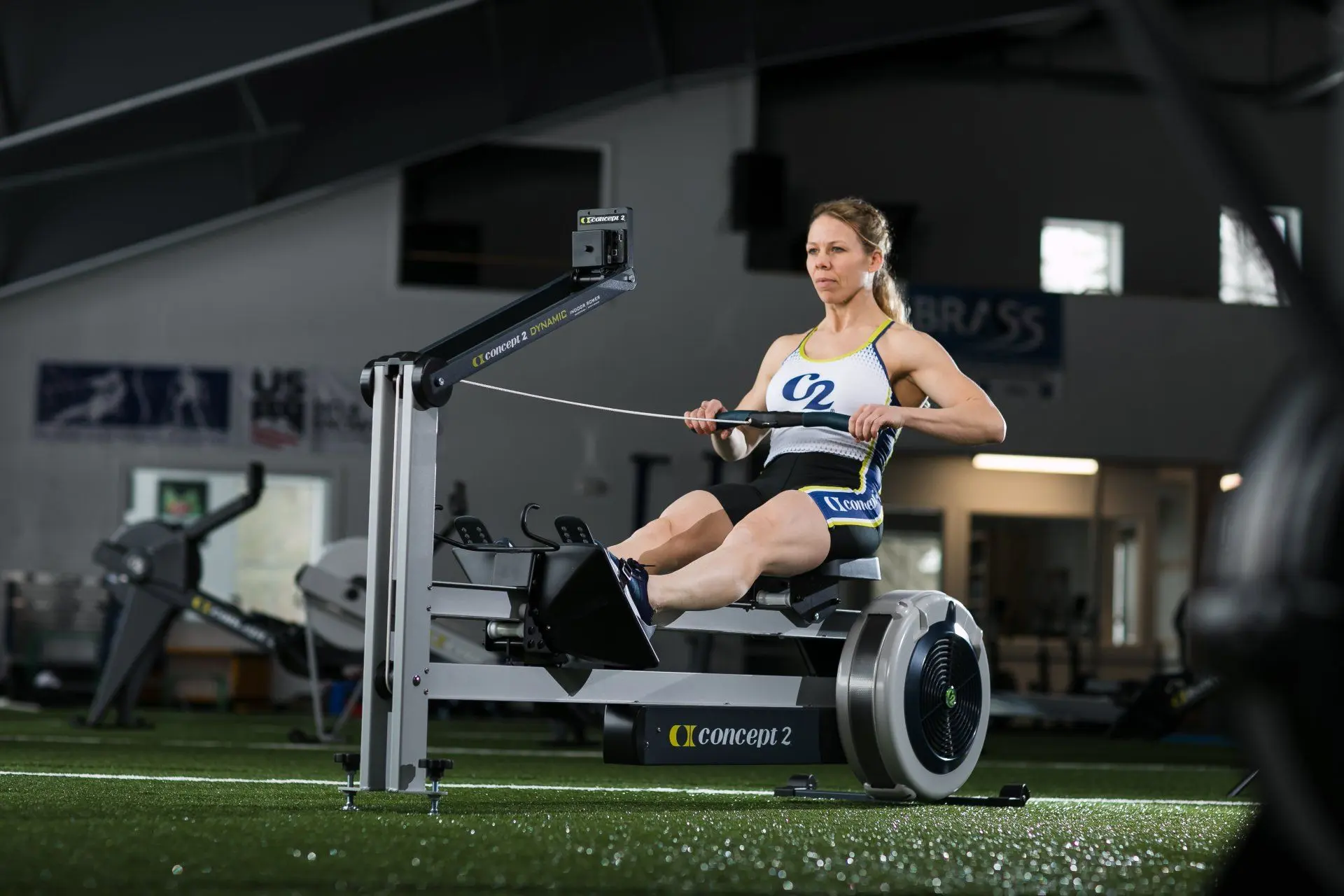
Muscle Activation During Rowing
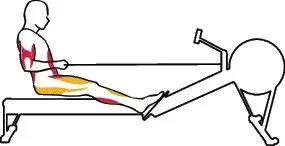
Rowing, or the rowing stroke, involves almost all muscle groups and joints…
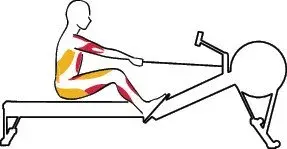
Legs
Each stroke allows for complete coverage and extension of the legs. The muscles of the feet, ankles, thighs, buttocks, hips, and popliteal tendons are all engaged. The pressure on the knees is minimal.
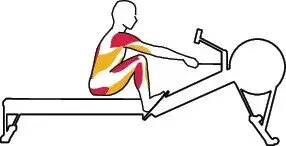
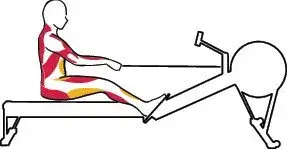
Shoulders, shoulder girdle, back
Rowing also tones the upper part of your body, as during the leg push, your back, arms, and shoulder girdle work together to transfer force to the handle of the simulator.
Abs, back
At the end of each stroke, abdominal muscles help stabilize the torso. The latissimus dorsi and back muscles enable the final pull with the arms.
Heart, lungs
Since rowing involves all major muscle groups, your body requires good support from the cardiovascular and respiratory systems. Regular, dynamic exercise can significantly enhance their function.